
Kauaʻi County Court Docket Searches
Start at eCourt Kōkua, the public window into the Hawaiʻi Judiciary Information Management System. It carries Fifth Circuit District, Circuit, and Family Court case information, plus Land Court, Tax Appeal Court, and appellate matters. Viewing a case is free. Buying document images costs money. For a Kauaʻi County docket search, use Party Search with a name. Case Search works with a case ID or citation number.
Narrow facts beat broad ones. A name alone can return many matches. A case ID is exact, and the court or circuit filter keeps Kauaʻi matters apart from cases elsewhere in Hawaiʻi. Before entering, the public system asks you to accept its disclaimer. It may show a CAPTCHA.
- Open eCourt Kōkua and choose Party Search or Case Search.
- Enter the party name, case ID, or citation details you know.
- Use court and circuit filters without excluding a possible case level.
- Open the matching case, then review Case Dockets and Hearings.
- Contact the correct Fifth Circuit records branch for an old, missing, or non-PDF document.
Inside Kauaʻi Case Dockets
The Judiciary's eCourt Kōkua access page marks the public entrance to the statewide system.
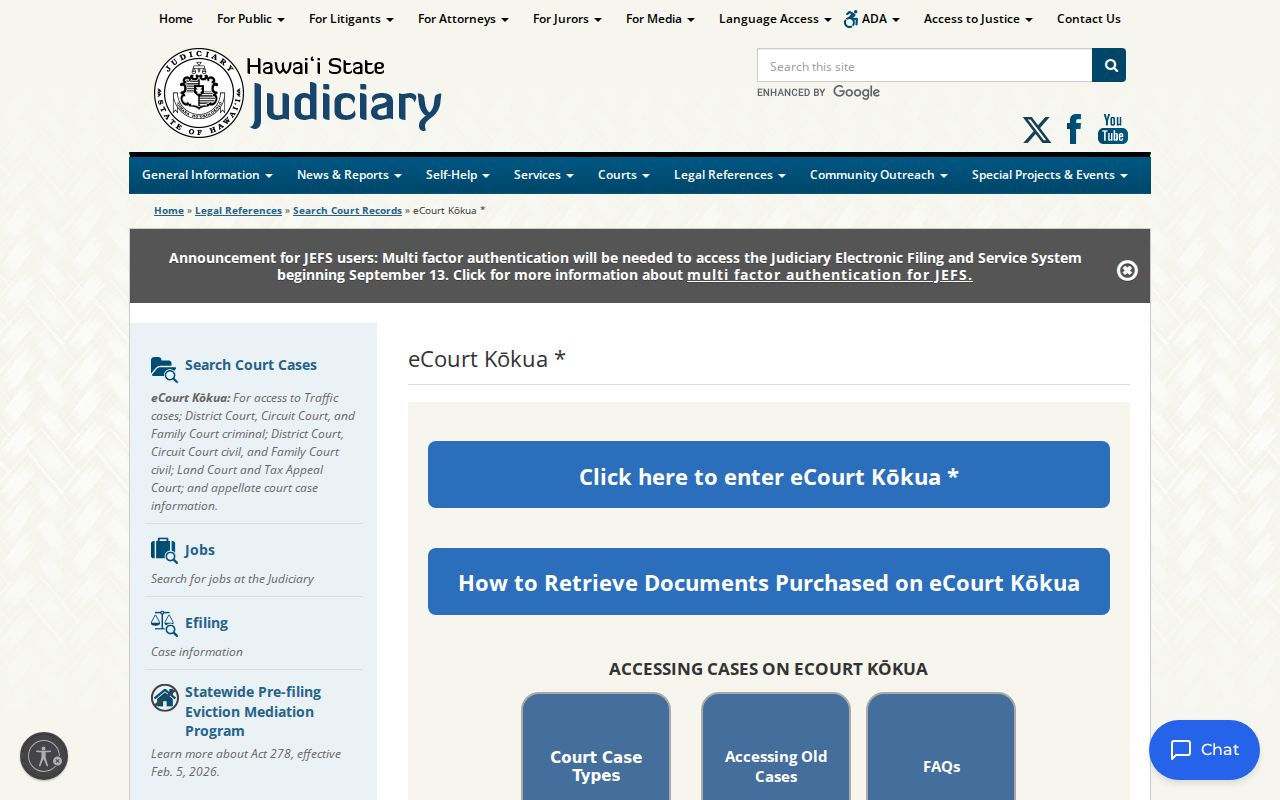
Once a result opens, the tabs tell you where to look. Case Dockets holds the filing history. Hearings is the better place to check a future setting. Other tabs may name parties, charges, dispositions, or financial activity. That structure matters. A search-results row is only a route into the case. It is not the full Kauaʻi County court docket.
| Search field | Use | Format note |
|---|---|---|
| Party type | Person or organization | Select the matching category |
| Last or business name | Primary Party Search field | Required for that party type |
| First and middle name | Narrows a person search | Optional |
| Case ID | Direct Case Search | Use the Judiciary identifier |
| Citation number | Traffic case search | Use the printed citation number |
Court Dockets: What They Show
A docket is the court's chronological index. It can point to an initiating complaint, later motions, court minutes, scheduled events, a judgment, and the disposition of a charge or claim. Free online text for every filing is not promised, though. A PDF icon marks a public document image. You can buy it through the portal. No icon may mean the image is simply unavailable online rather than never filed.
Read the fields together. A caption does not prove who won. An event code does not always state how the judge ruled. The most recent entry may update or replace an earlier setting.
| Case ID | The identifier used to retrieve the case and route a records request. |
|---|---|
| Case title | The caption or named parties, not a statement of the outcome. |
| Case type | The category and court level, such as civil, criminal, family, or traffic. |
| Case Dockets | Dated events, filing descriptions, docket codes, and document icons. |
| Hearings | Setting date, time, location, type, judge, status, and result when shown. |
| Disposition | The recorded outcome for a case, claim, or charge. |
Kauaʻi County Docket Codes Explained
Hawaiʻi publishes a detailed eCourt Kōkua code list. Codes shrink an event into a small field, so the nearby description and later entries still matter. A reset is not a dismissal, and a filing code is not always a ruling.
- CHD
- Change of Court Date.
- CON
- Case Continued.
- CONP
- Case Continued, P.M. Calendar.
- DCRF
- Criminal Felony Complaint.
- DCRM
- Criminal Misdemeanor Complaint.
- FTA
- Failure to appear, read with the order and later events.
Read disposition codes with their dates. They describe one defined procedural result, so do not stretch them past the Judiciary's own label.
Kauaʻi County Courts and Their Dockets
Hawaiʻi runs a unified, state-funded Judiciary. The Circuit Court of the Fifth Circuit handles felonies and general-jurisdiction civil matters. The District Court of the Fifth Circuit takes misdemeanors, traffic, and landlord-tenant matters. It also handles small claims and limited civil cases. Family Court hears divorce, custody, protection, and juvenile cases. Access limits apply. The official Circuit Court overview helps you spot the general-jurisdiction level serving Kauaʻi.
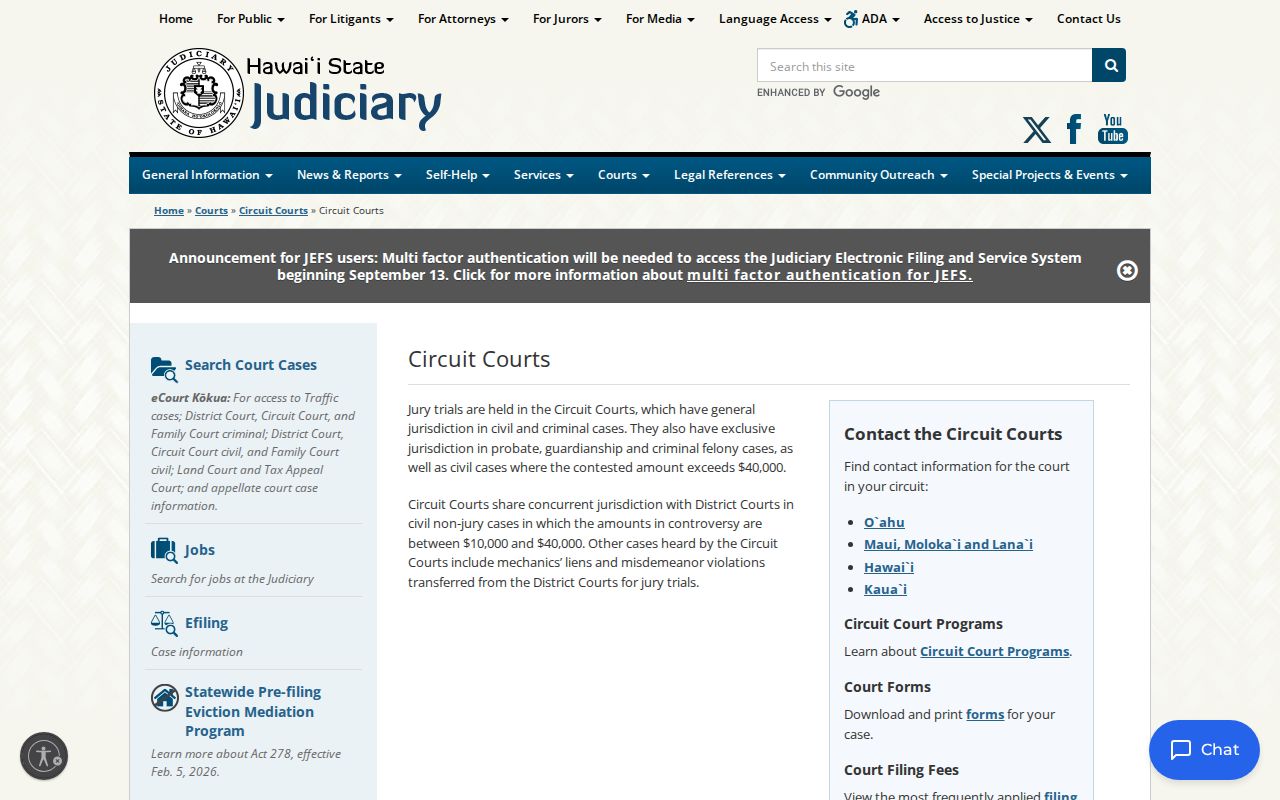
Case type, not the community where an event occurred, decides the correct court level.
| Court | Docket covers | Where to search |
|---|---|---|
| Fifth Circuit Court | Felony and general civil cases | eCourt Kōkua or Circuit/Family Legal Documents |
| Fifth Circuit District Court | Misdemeanor, traffic, small claims, summary possession, limited civil | eCourt Kōkua or the matching District branch |
| Fifth Circuit Family Court | Family and juvenile matters | eCourt Kōkua where public, or Circuit/Family Legal Documents |
Kauaʻi County District Docket Limits
District Court in Kauaʻi County keeps its docket to smaller matters. The District Court jurisdiction page shows that traffic cases, misdemeanors, landlord-tenant disputes, small claims, and similar limited matters all sit here in the state court system.
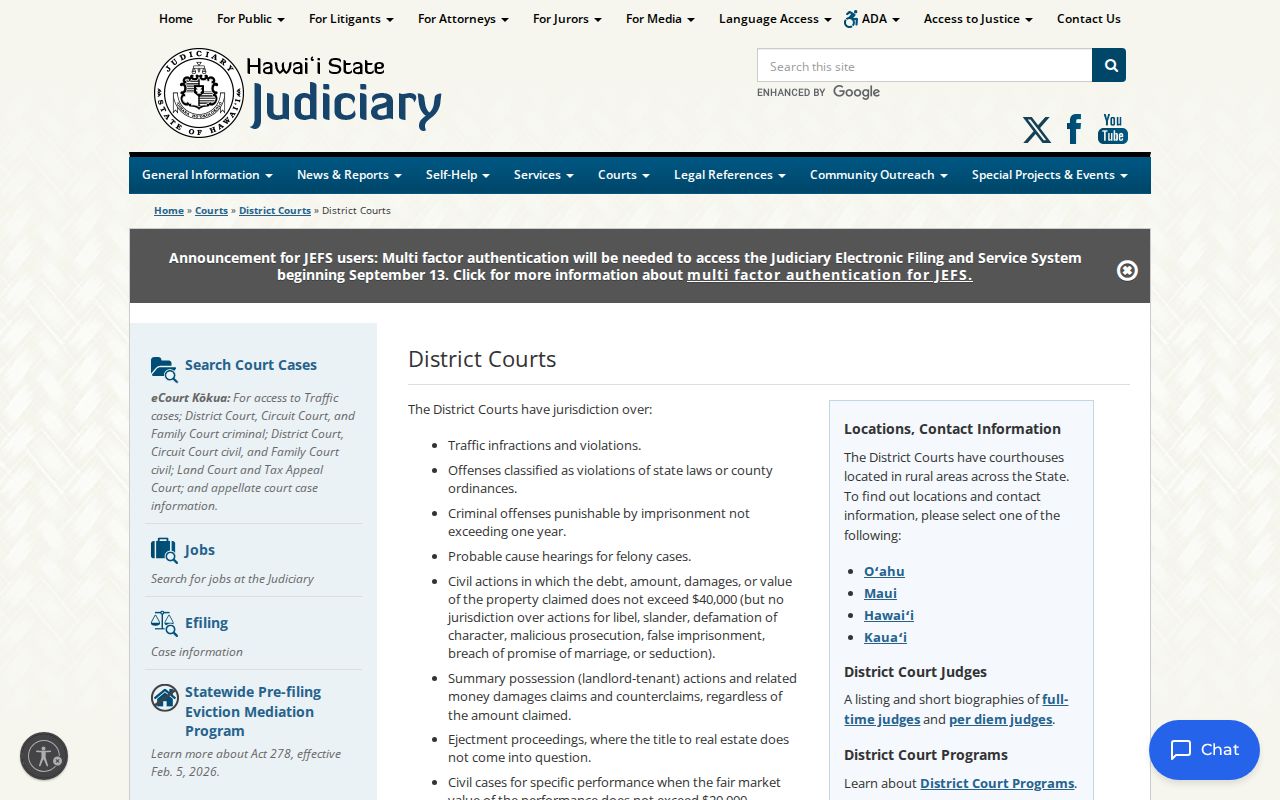
That is why an event's location does not create a city docket. A citation written in a Kauaʻi community still routes to the state District Court. Police may issue the citation or investigate the case. After filing, the record changes hands. The Judiciary becomes its keeper.
Key point: Kauaʻi County has no county court or municipal court layer. Select the Fifth Circuit division by case type, not by community name.
Court Dates and Settings in Kauaʻi County
Future court dates read best in the Hearings tab. A setting may show its date and Hawaiʻi Standard Time. It may also show the courtroom or location, the hearing type, and the judicial officer. A current result or status may appear too. Old CHD or CON events can linger in Case Dockets after a date moves. They are useful history, yet they can fool anyone who treats the first date found as current.
Confirm a setting close to the hearing. Compare the current Hearings tab with the latest notice. Call the relevant Fifth Circuit branch if they conflict. Emergency closure notices can supersede an ordinary schedule. The full Kauaʻi County court schedule explains the confirmation chain and missed-setting response.
Note: a prior docket event may document a reset without serving as the current hearing notice.
Kauaʻi County Family Dockets After Hoʻohiki
The old Hoʻohiki family-case search is no longer the route. The Judiciary retired it in April 2022. That move came after Family Court civil data shifted into eCourt Kōkua. A saved Hoʻohiki link can dead-end. That happens even when a public family case exists in the modern system. The Judiciary's migration notice documents that change.
Confidentiality rules still govern family case information. Moving data into JIMS did not open juvenile files, sealed documents, or protected identifiers. The official Family Court page outlines the division's role in Kauaʻi's state court structure.
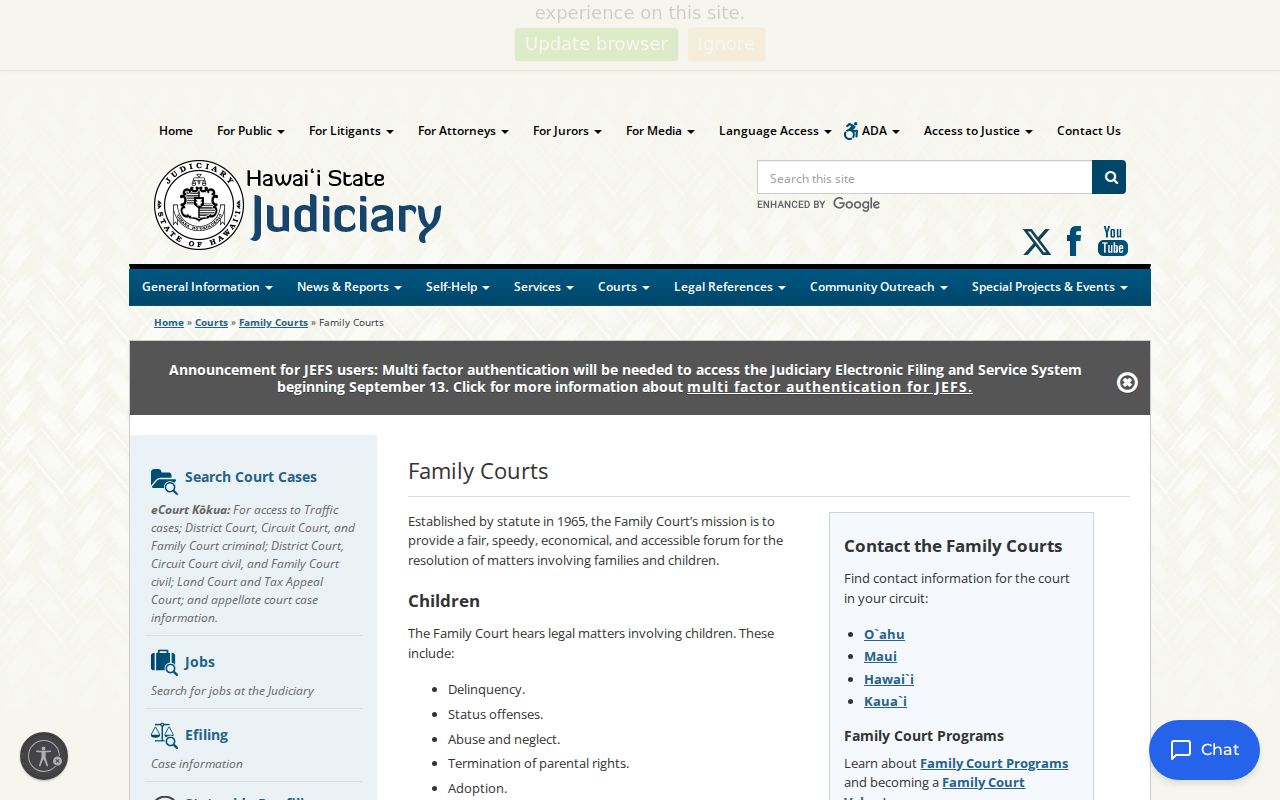
Use that court identity when routing a request, but expect protected material to stay closed.
Docket Access Under Hawaiʻi Law
The Hawaiʻi Court Records Rules govern judicial-record access, confidentiality, redaction, requests, fees, and access motions. The Uniform Information Practices Act sets a broad presumption of public government records. Judiciary case files still answer to court rules and laws protecting particular material.
Key rules:
HRS § 92F-11 presumes access unless another law restricts the record.
HRS § 92F-13 lists disclosure exceptions.
HRS § 571-84 limits access to juvenile and specified family records.
A blank result can reflect those rules, an older file, or a search mismatch. Contact the case-type records branch rather than inferring that no case exists.
Free Kauaʻi County Docket, Paid Filing
Browsing is free in eCourt Kōkua. You pay only when you buy a document. A filing marked with a PDF icon costs $3 for pages 1 through 30. Each page after page 30 costs ten cents. Checkout also applies a 2.6 percent processing fee. Keep the purchase ID and the email you used at checkout, because retrieval lasts just two days. Parties who register through the Judiciary Electronic Filing and Service System get a better deal: available documents in their own cases can be opened without the public purchase charge. A public terminal at the courthouse rounds things out, offering free on-screen inspection of anything open to the public.
| Record option | Amount |
|---|---|
| Online document, 1 to 30 pages | $3 |
| Each online page after 30 | $0.10 |
| Paper copy | $1 first page, then $0.50 each added page |
| Certification | $2 |
| Clerk search without a case ID | $5 per name |
How the Clerk Keeps Docket Records
Who holds the file? Not the Kauaʻi County Clerk. Docket records for the Fifth Circuit of the Hawaiʻi State Judiciary sit with circuit staff at Puʻuhonua Kaulike, the Līhuʻe complex that houses Circuit, Family, District, traffic, and legal-document work under one roof. Requests split by case type. Circuit and Family copies go to LegalDocs.5CC@courts.hawaii.gov, District civil to LegalDocs.5DC@courts.hawaii.gov, and District criminal and traffic copies to CopyRequests.5DC@courts.hawaii.gov. The official Kauaʻi Judiciary directory lists the full courthouse contacts for every branch.
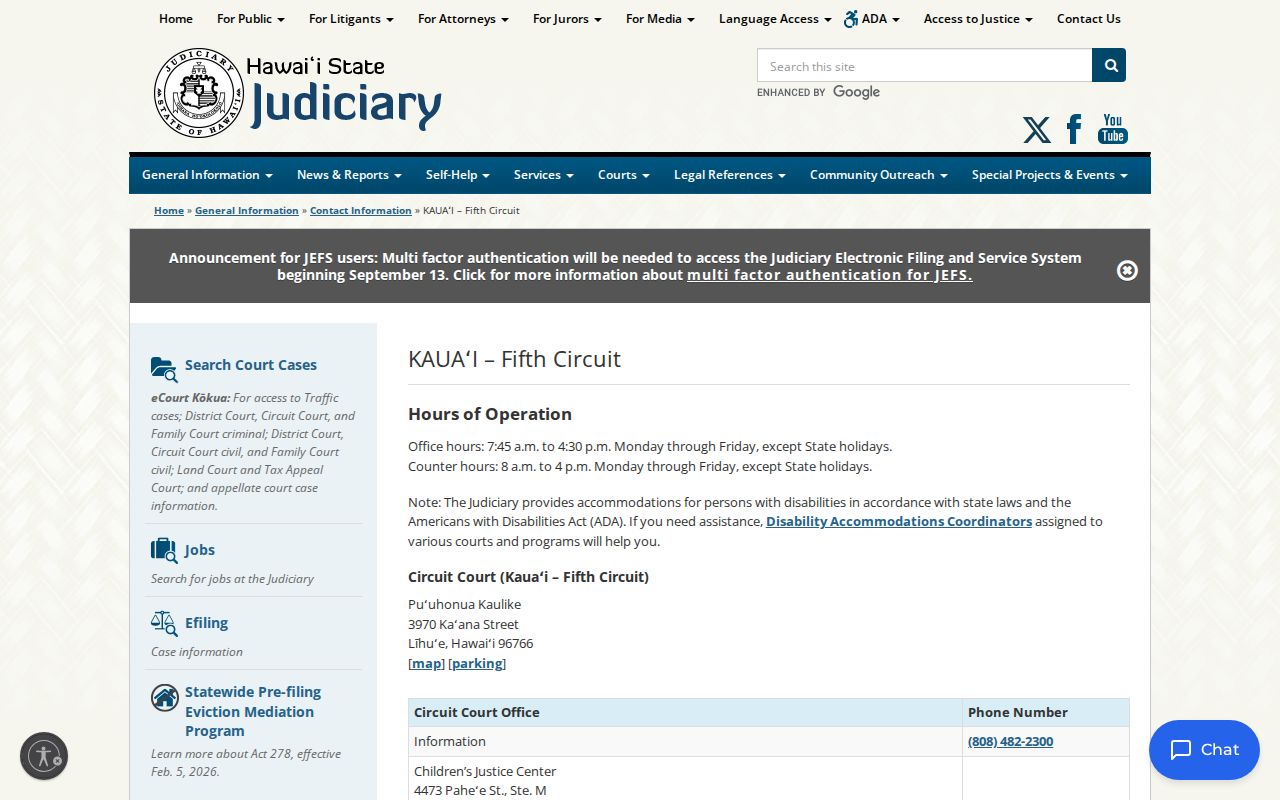
Call ahead for an older file. Staff may need off-site retrieval, and a written request moves faster when it names the case ID if known, the document, the court, the case type, a delivery method, and contact details.
Fifth Circuit Courts
Puʻuhonua Kaulike Building
3970 Kāʻana Street
Līhuʻe, Hawaiʻi 96766-1256
(808) 482-2330
Kauaʻi County Docket Access Beyond Online
Online search is one channel, not the only one. The Judiciary itself points to three: eCourt Kōkua, a courthouse visit, or a written request. Phone and email help you pick. Staff can confirm whether an older file needs off-site retrieval before you travel. At the courthouse, a public PC may allow free review. Copies, certification, mailing, and staff searches can all add fees. The terminal beats an online purchase when a docket entry is visible but the filing has no PDF icon. It also wins when you want to inspect an available document without buying the online image.
Each branch has its own line. Circuit Court information sits at (808) 482-2300. Records requests go to (808) 482-2330. District Courtroom 2 answers questions about DLNR citations, leash-law matters, DUI, and criminal misdemeanors at (808) 482-2645. Traffic Operations handles tickets, traffic abstracts, parking matters, and stopper questions at (808) 482-2355. The split is functional, not bureaucratic. One building houses several branches. A request sent to the wrong email can still slow the search, because District civil, District criminal and traffic, and Circuit or Family documents each follow a different route.
A written request should state whether you want inspection or a copy. Include the case title and ID if known. Add the specific document or date range, and a way for staff to send a fee estimate. The official form supports pickup, mail, fax, or email where the record and branch permit them. Confidential material is different. A judge may have to rule on that request. The form alone creates no right of access.
These direct routes matter across an island county. A person far from Līhuʻe can confirm the right branch first. A quick call also tells you whether the file is ready before the drive. Allow time for courthouse screening on arrival. Access to a public file does not grant permission to record a court proceeding. Device use inside a courtroom is governed separately.
A Kauaʻi County court docket request works best when it names the court. Naming the record helps too. A Fifth Circuit civil case may sit in Circuit Court or District Court. Public family matters follow the Circuit and Family documents route. Traffic and misdemeanor copies travel the District criminal and traffic channel. That sorting beats a broad request for every Kauaʻi County court record tied to one name. It also lets the clerk estimate any search, copy, mailing, or certification charge before work begins.
Kauaʻi County and Federal Dockets
eCourt Kōkua stops at the state line. Federal cases are a separate world. Civil and criminal matters arising in Hawaiʻi belong to the U.S. District Court for the District of Hawaiʻi, with electronic access through PACER and CM/ECF. Bankruptcy goes to the U.S. Bankruptcy Court for the District of Hawaiʻi. Appeals can rise to the Ninth Circuit. State appeals travel a different path through Hawaiʻi's Intermediate Court of Appeals and, when review is available, the Supreme Court of Hawaiʻi.
The dividing line is jurisdictional, not geographic. Jurisdiction decides where the docket lives. A case tied to Kauaʻi can still be federal because of the law, the parties, or the kind of proceeding involved. Search the state docket only when the matter sits in a Hawaiʻi state court. A familiar party name can appear in both systems. Compare the court name and case ID before relying on either result. The state Case Dockets tab and the federal PACER docket are separate records kept by separate court systems.
Appellate dockets are separate too. One appeal means two records. A Fifth Circuit appeal opens its own appellate case with its own filings, deadlines, orders, and disposition. The trial docket may show only that a notice of appeal was filed. Later appellate activity lives in the appellate record. Anyone tracking a Kauaʻi County case should keep both identifiers. That habit keeps a trial-court entry from being mistaken for the Intermediate Court of Appeals' latest action, and it gives the clerk enough detail to identify which record you are requesting.
City-by-City Court Dockets in Kauaʻi County
Kauaʻi County has no city court dockets to break down. There are no incorporated cities anywhere in the county. The Census Bureau's Hawaiʻi geography information shows why: Hawaiʻi contains no incorporated places in its census products.
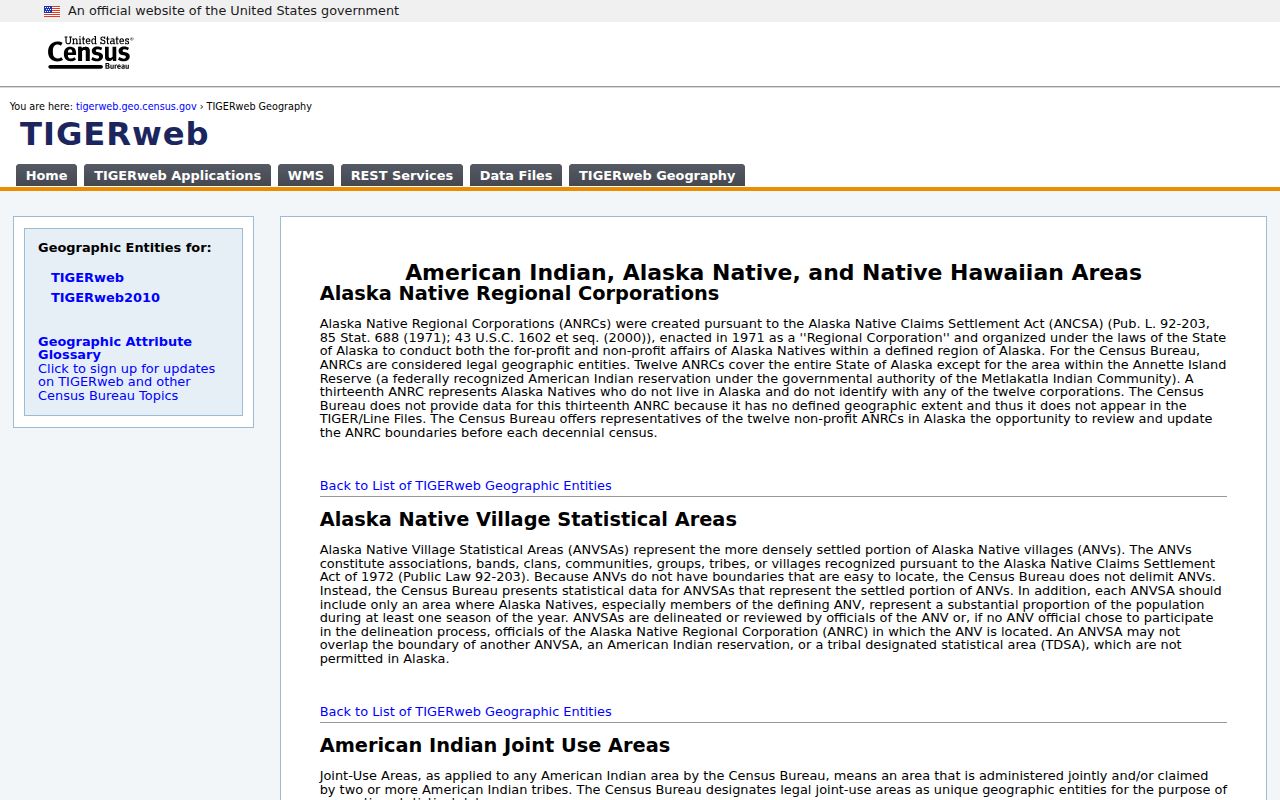
Līhuʻe serves as the county seat and hosts the courthouse. Communities such as Līhuʻe, Kapaʻa, and other named places are census-designated. They are not incorporated. Everyone in them relies on the same Fifth Circuit docket structure. No municipal court takes over traffic, criminal, civil, or family filings. Location of residence makes no difference there.
Map and Directions to the Puʻuhonua Kaulike Building
Puʻuhonua Kaulike is the single Fifth Circuit courthouse serving all of Kauaʻi, standing in Līhuʻe, the county seat. Circuit, Family, District, traffic, and legal-document functions are consolidated in one complex, but requests still split by branch: District Courtroom 2 handles DLNR citations, leash-law matters, DUI, and criminal misdemeanors at (808) 482-2645, while Traffic Operations handles tickets, abstracts, and parking citations at (808) 482-2355. Knowing which branch holds the file before arriving saves a trip to the wrong counter.
Puʻuhonua Kaulike Building
3970 Kāʻana Street
Līhuʻe, Hawaiʻi 96766-1256
(808) 482-2330
Visitors should allow time for courthouse security screening, since a public docket may be read but recording a proceeding is governed separately by court rules. Disability accommodations should be requested from the Judiciary coordinator in advance, and anyone traveling from outside Līhuʻe should call the relevant branch first to confirm a file is ready.